Archives
- 2026-10
- 2026-09
- 2026-08
- 2026-07
- 2026-06
- 2026-05
- 2026-04
- 2026-03
- 2026-02
- 2026-01
- 2025-12
- 2025-11
- 2025-10
- 2025-09
- 2025-03
- 2025-02
- 2025-01
- 2024-12
- 2024-11
- 2024-10
- 2024-09
- 2024-08
- 2024-07
- 2024-06
- 2024-05
- 2024-04
- 2024-03
- 2024-02
- 2024-01
- 2023-12
- 2023-11
- 2023-10
- 2023-09
- 2023-08
- 2023-06
- 2023-05
- 2023-04
- 2023-03
- 2023-02
- 2023-01
- 2022-12
- 2022-11
- 2022-10
- 2022-09
- 2022-08
- 2022-07
- 2022-06
- 2022-05
- 2022-04
- 2022-03
- 2022-02
- 2022-01
-
A review has recently been
2024-05-15
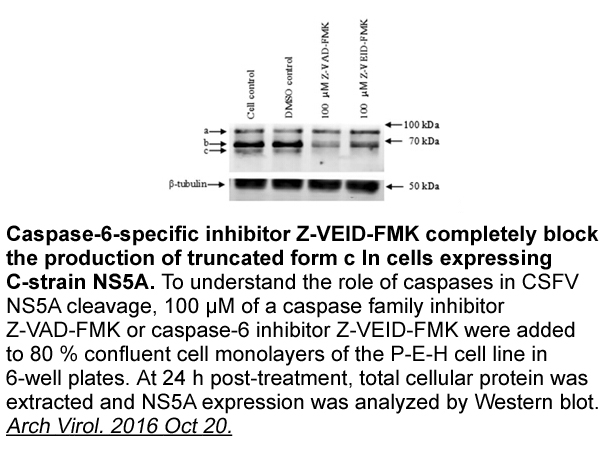
A review has recently been published to evaluate the potential effects of food, alcohol and UO126 juices on the pharmacokinetics and pharmacodynamics of the drugs for BPH. The authors reviewed the PubMed database during the years 1991–2015. In addition, a digital version of Stockley on drug interac
-
CYP A is one of the key metabolizing enzymes of
2024-05-15

CYP3A4 is one of the key metabolizing erbb2 inhibitor of the cytochrome P450 (CYP) superfamily of heme-containing monooxygenases. As the CYP family of enzymes plays important roles not only in the xenobiotic metabolism and detoxification of a large number of drugs, but also in the biosynthesis of e
-
Indacaterol Maleate In bacteria H gler et al Kanao et
2024-05-15
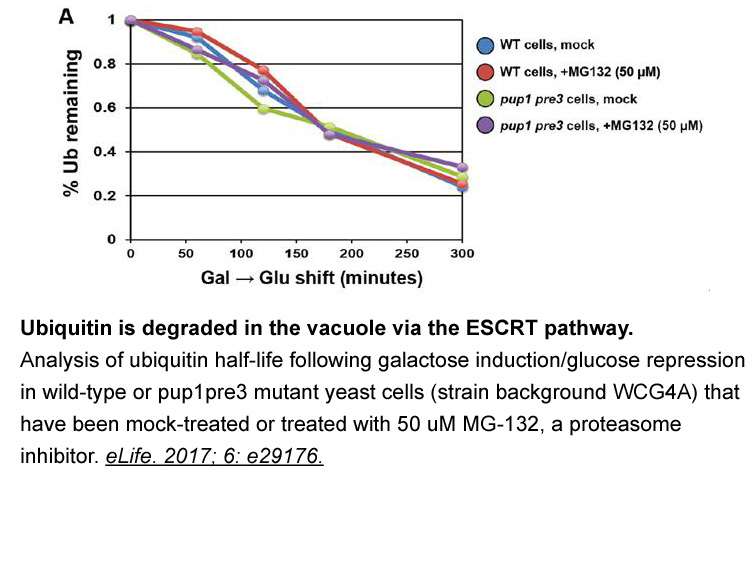
In bacteria (Hügler et al., 2007, Kanao et al., 2001), a glaucophyte alga (Ma et al., 2001), green algae/land plants (Fatland et al., 2002), and filamentous fungi (Nowrousian et al., 2000), ACL enzyme activity requires ACLA, and ACLB (referred to here as dual-subunit ACL, or dsACL) (Kanao et al., 20
-
The apoptosis promoting Bcl family includes
2024-05-15
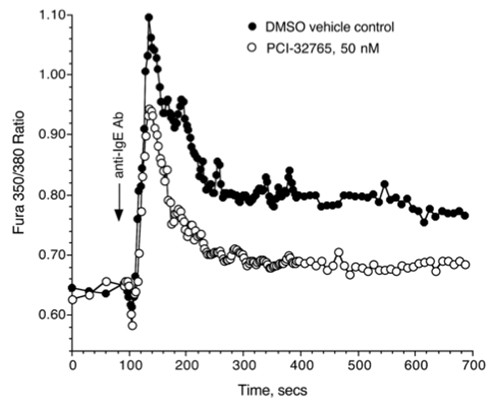
The apoptosis-promoting Bcl-2 family includes BH3-only proteins (e.g., Bim, Bid and Bad) and multiple-domain proteins (e.g., Bax and Bak). At the time of apoptosis stimulation (e.g., DNA damage), only the BH3-only protein is activated, directly or indirectly promoting Bax/Bak oligomerization, changi
-
Leupeptin PD research involves the use of many animal
2024-05-15
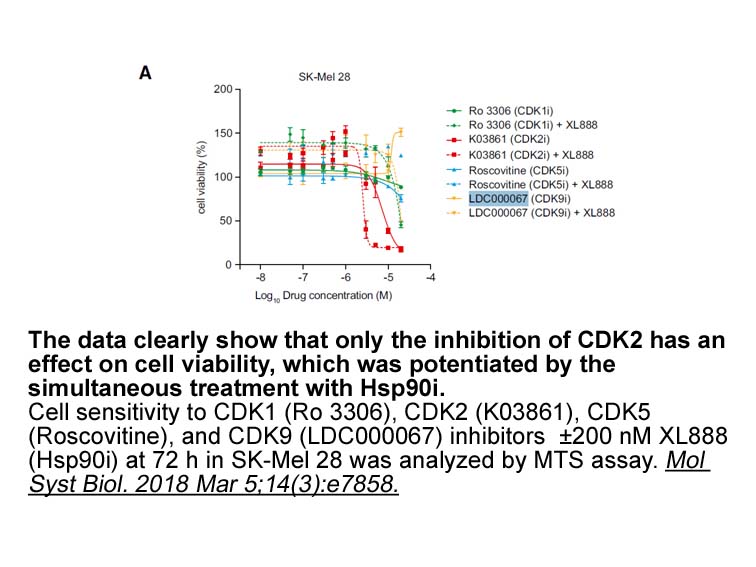
PD research involves the use of many animal models, which can be categorized into two main types: toxic models—among which the two most widely used are the classical 6-hydroxydopamine (6-OHDA) model in rats and the 1-methyl-4-phenyl-1,2,3,6-tetrahydropyridine (MPTP) model in mice and monkeys—and gen
-
In addition understanding the relationship between human met
2024-05-15
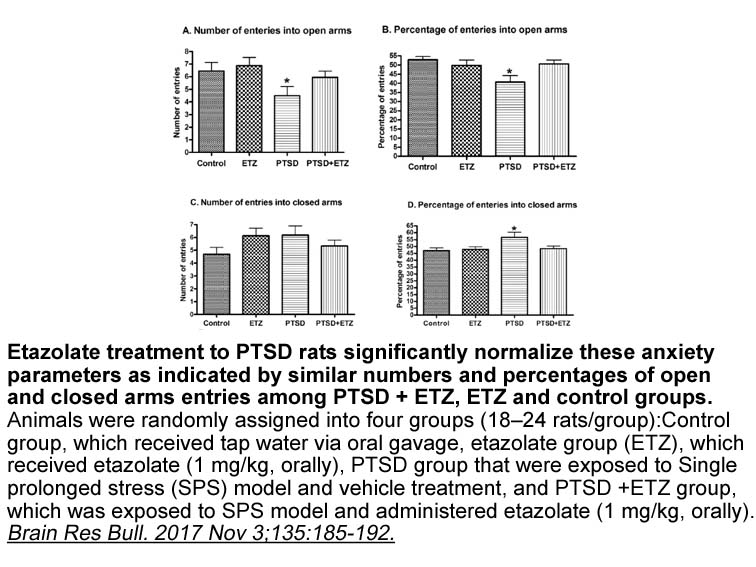
In addition, understanding the relationship between human metabolic processes and dietary antioxidant intake would provide opportunities for altering the diet to improve health (Prior, 2015). Prior et al. (2007) emphasized that excess reactive oxygen species, which occurred during the metabolism of
-
The specific functions of ERs and AR underline
2024-05-15
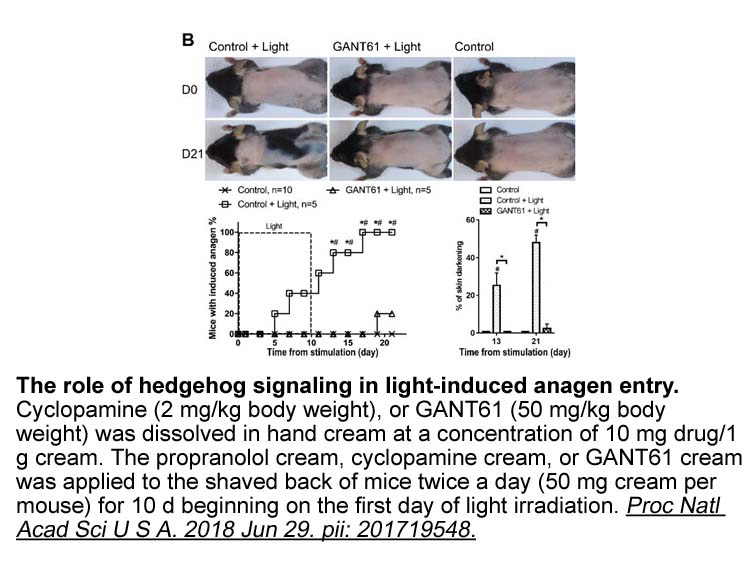
The specific functions of ERs and AR underline their crucial roles during different phases of spermatogenesis. Their deregulation could affect numerous downstream targets, thereby, disrupting spermatogenesis and male fertility. Various studies have shown that estrogen-like chemicals in the environme
-
Targeted disruption of the Akt gene in mice
2024-05-14
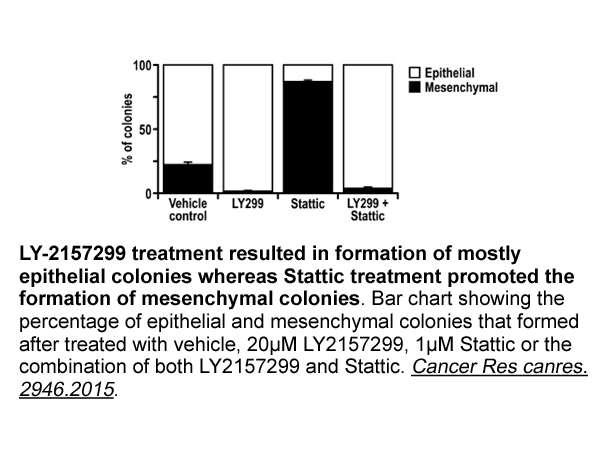
Targeted disruption of the Akt1 gene in mice induces a growth retardation phenotype [4,19]. Akt2 KO mice reveal mild growth retardation and insulin resistance [4,20,21]. Akt1/2 double KO (DKO) mice display severe growth deficiency and die shortly after birth. These mice exhibit impaired bone and ski
-
Microbe derived ligands can also
2024-05-14
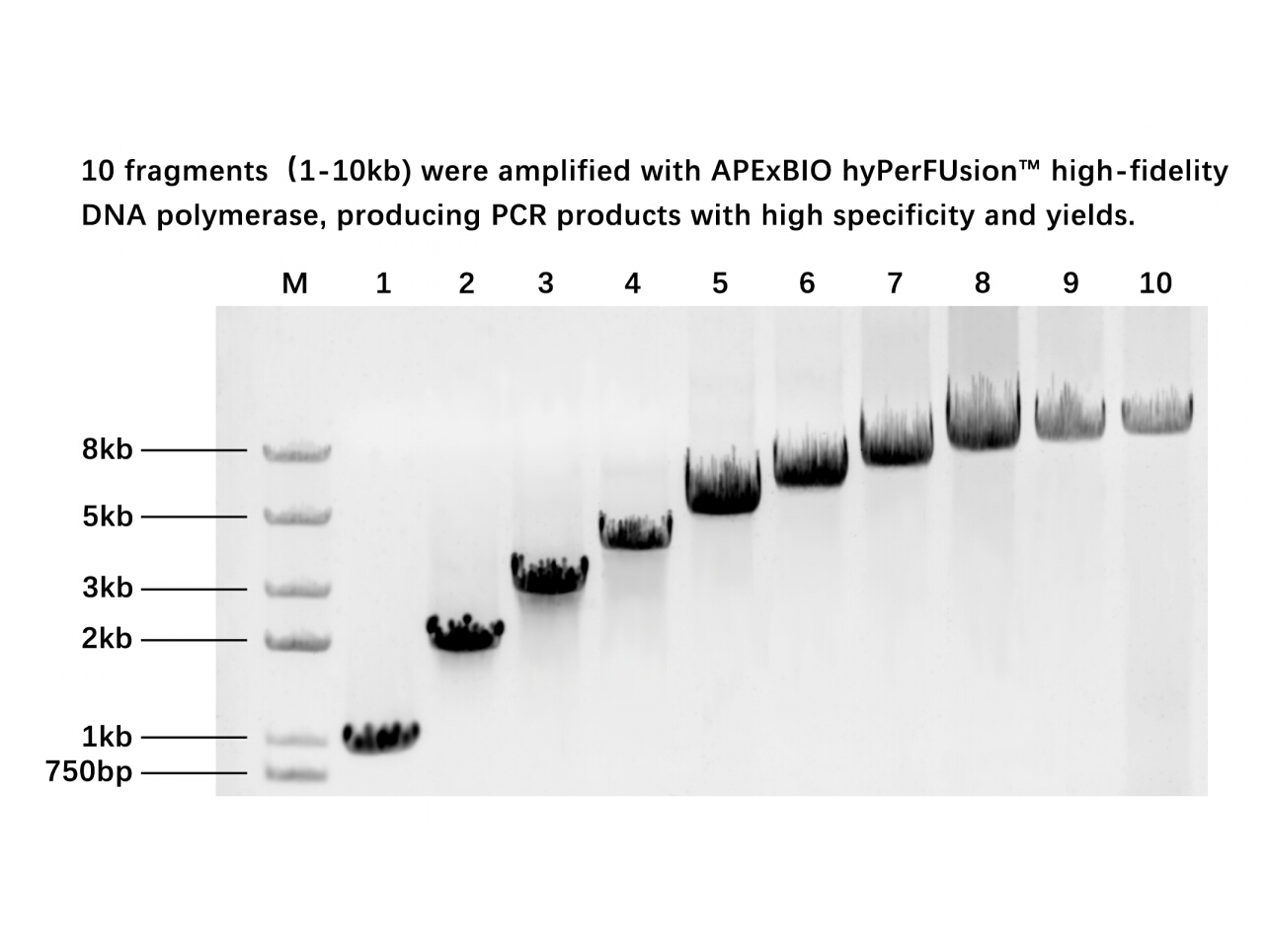
Microbe-derived ligands can also activate AHR. Malassezia, a commensal yeast in human skin, can metabolize tryptophan into several AHR activating compounds including FICZ and ICZ [59]. Lactobacillus converts tryptophan into indole-3-aldehyde (IAld), which can activate AHR and promote IL-22 productio
-
We stimulated HNEpC cells with LPS found that
2024-05-14

We stimulated HNEpC cells with LPS found that the secretion of inflammatory cytokines and the expression of AHR was increased significantly, and miR124 was reduced. It has been found that LPS as a foreign substance can bind to the TLR family of proteins to activate intracellular AHR signaling [[19],
-
Adiponectin also works on AdipoR inducing extracellular Ca i
2024-05-14
Adiponectin also works on AdipoR1, inducing extracellular Ca2+ influx necessary for activation of Ca2+/calmodulin-dependent protein kinase kinase (CaMKK)β, AMPK (Fig. 1). This step is then followed by activation of SirT1 and increased expression and decreased acetylation of PPARγ coactivator (PGC)-1
-
Preclinical models indicate roles for adiponectin
2024-05-14

Preclinical models indicate roles for adiponectin in the maintenance of hepatic lipid metabolism. Adiponectin overexpression prevents accumulation of triglycerides or the deleterious lipid metabolites diacylglycerols or ceramides [5,8]. Direct manipulation of adiponectin expression demonstrates a po
-
br Experimental procedures Adk tg Adktm tg UbiAdk mice
2024-05-14
Experimental procedures Adk-tg (Adktm1−/−:tg(UbiAdk) mice were created by breeding a loxP-flanked Adk transgene under the control of a human ubiquitin promoter into ADK knockout mice (Fedele et al., 2005,). Fb-Adk-def (Adktm1−/−:tg(UbiAdk):Emx1-Cre-tg3) mice were generated by pairing Emx1-Cre-tg3
-
We also investigated the transmittance of actin polymerized
2024-05-14
We also investigated the transmittance of actin polymerized with and without ABP. The presence of actin in the solution results in an increment in turbidity as other proteins provided 20187 features [21], [32]. While G-actin showed a transmittance peak positioned at 241 nm, F-actin exhibited a smal
-
PC is considered as a
2024-05-14
PC is considered as a cancer of the epigenome (Grasso et al., 2012, Robinson et al., 2015). Our results demonstrate that the interaction of AR with ACK1 drives the positive feedback epigenetic circuitry that is ultimately conducive to promote AR transcription. Further, this circuitry subjugates AR t
8077 records 183/539 page Previous Next First page 上5页 181182183184185 下5页 Last page